
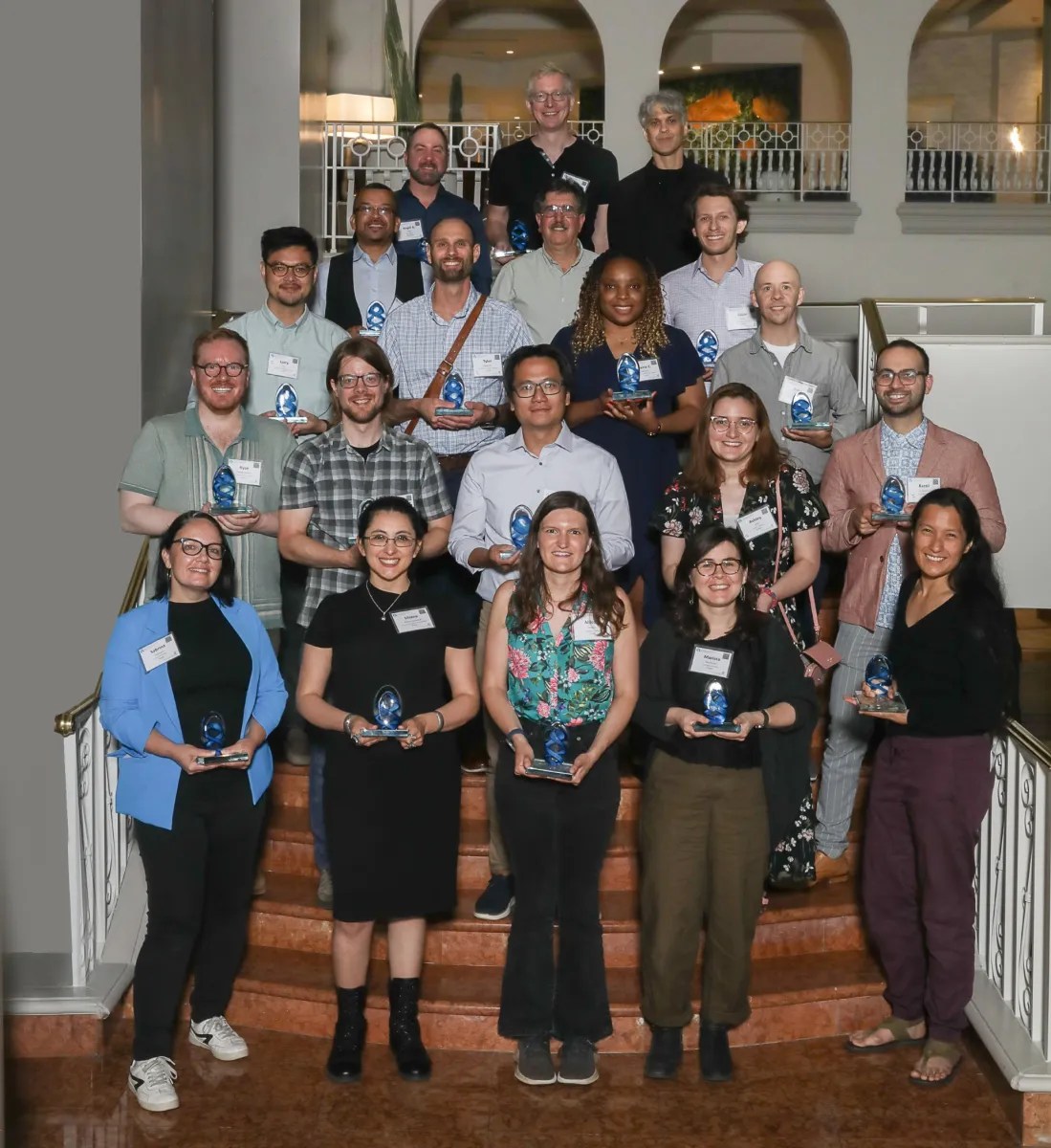
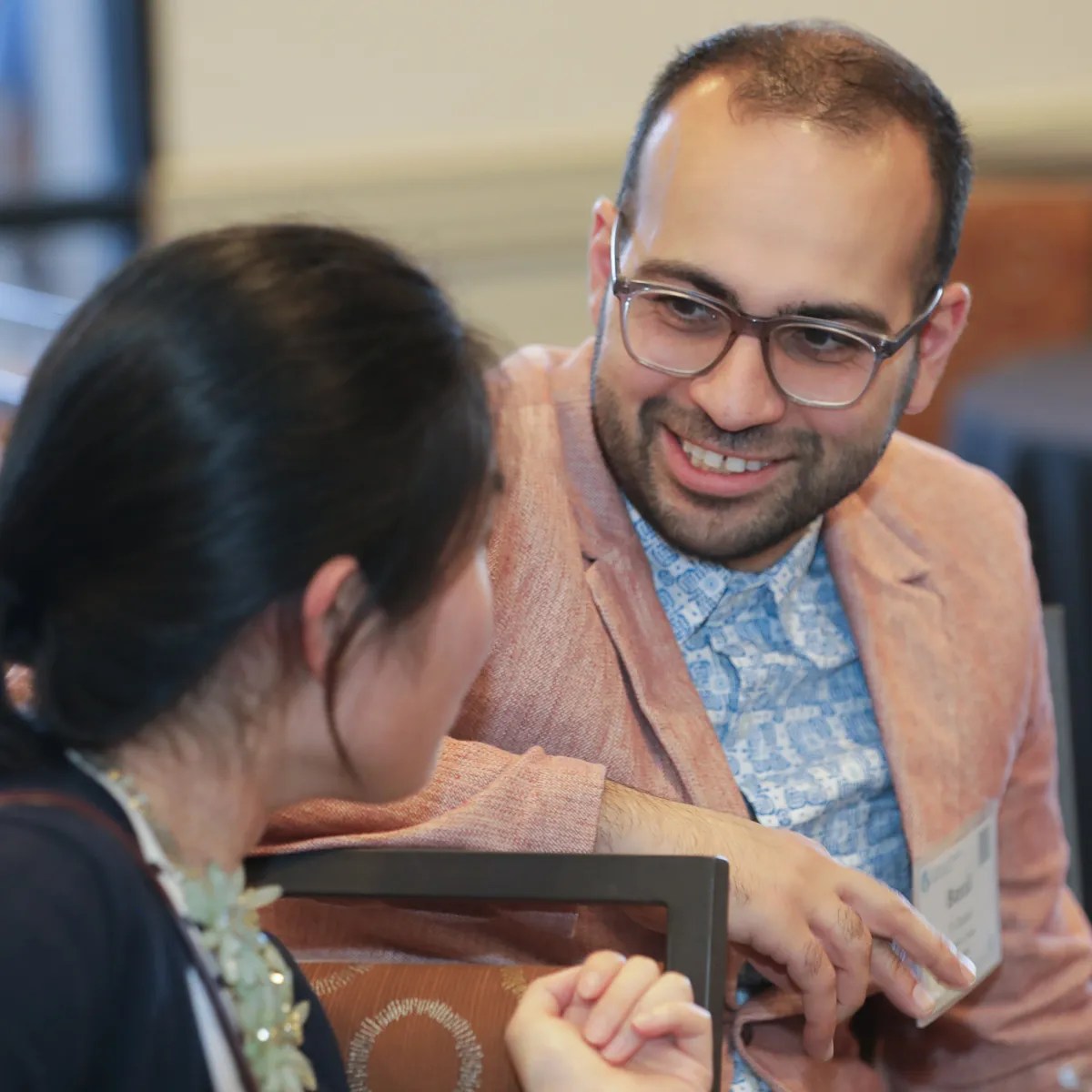
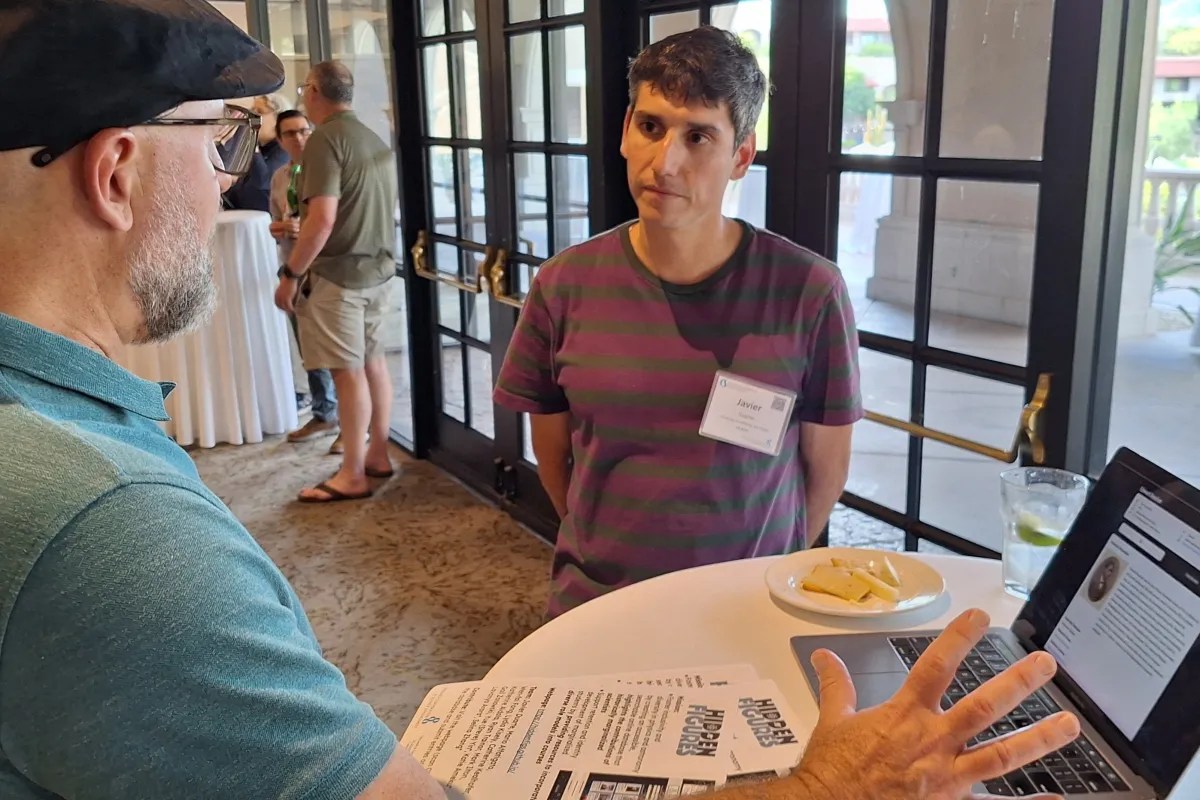
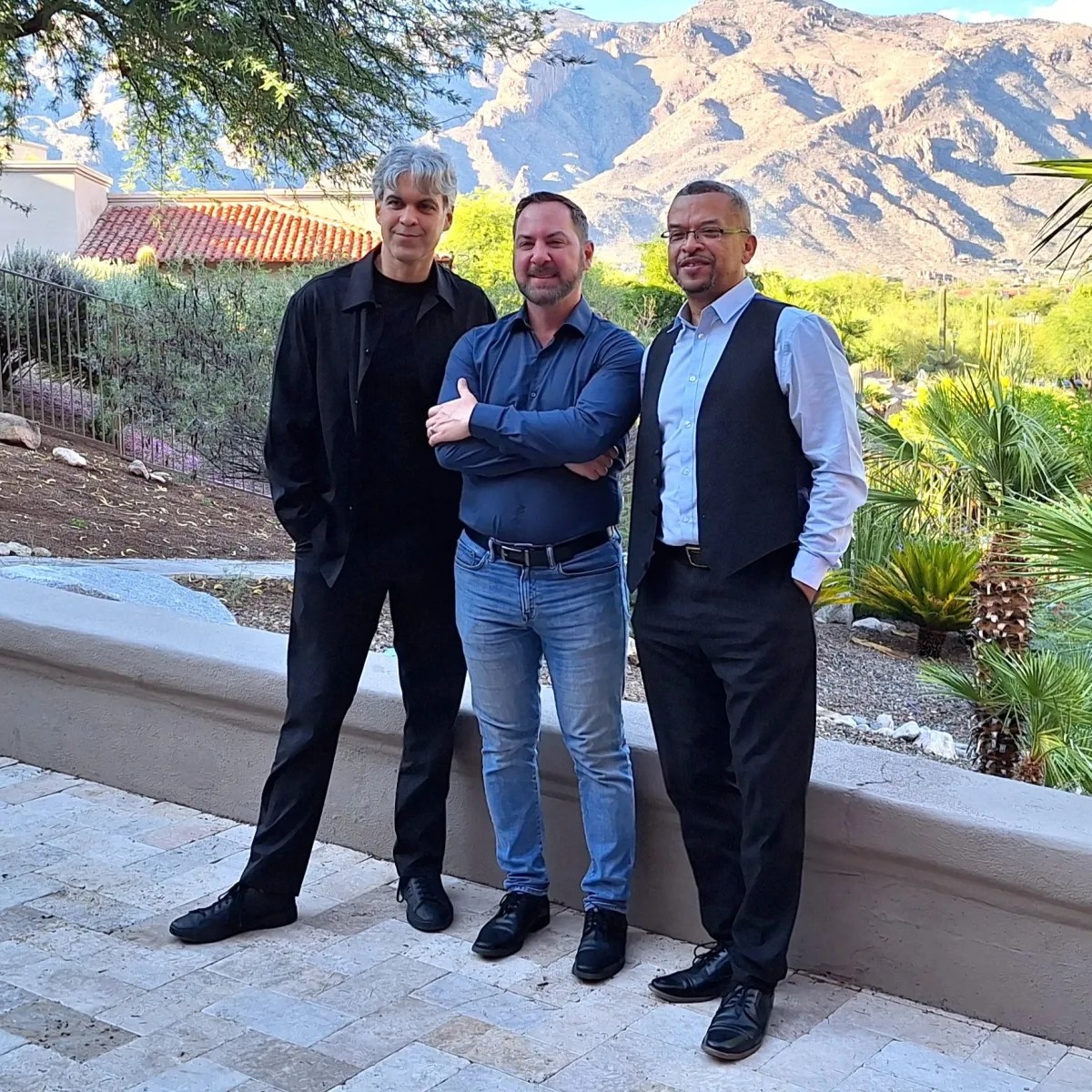
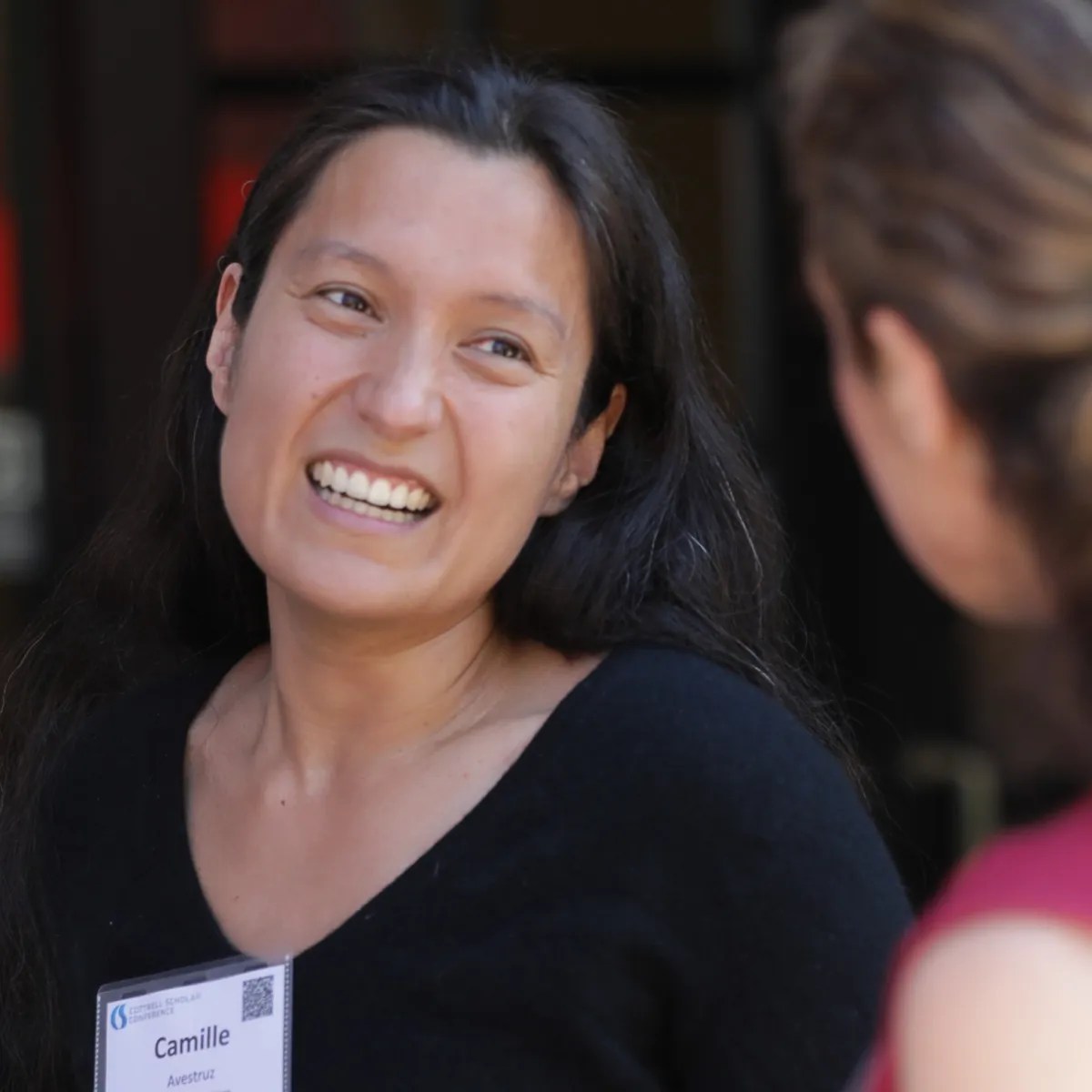
A multigenerational community of Cottrell Scholars representing almost every cohort since the program was started in 1994 gathered July 16-18 in Tucson, Arizona, for Research Corporation for Science Advancement’s 31st annual Cottrell Scholar Conference.
“There is an incredible amount of expertise in the room,” said RCSA Senior Program Director Silvia Ronco, who leads the program. “From early career teacher-scholars to department chairs, deans, provosts and leaders of national organizations, this group combines a collaborative spirit with a passion for helping each other succeed as teachers, researchers, and mentors.”
Ronco said the 110+ conference attendees included participants from all but four years’ cohorts. The community now includes more than 500 Cottrell Scholars, Fulbright-Cottrell Scholars from Germany, and senior scientists who have received RCSA’s Robert Holland Jr. Award.
New RCSA President Eric Isaacs highlighted the special way the Cottrell Scholars program advances the foundation’s mission “to enable transformative science by funding early career researchers with bold ideas.” By convening outstanding scholars, and giving them the tools and space to engage across institutions and disciplinary boundaries, he said, RCSA fosters new ideas in science, innovative approaches to teaching, and collaborations that can last for decades.
Isaacs encouraged participants to “allow yourself to explore ideas that you may have once thought out of reach but perhaps are now achievable with new collaborators here in this room.”
“One of the things I’ve seen during my short time here that makes RCSA special is the camaraderie, the colleagues, and a bounty of ideas,” he said.
Isaacs emphasized the importance of pushing science ahead despite challenging times and said RCSA is currently weighing how best it can support the scientific community – not just during the present crisis but as it navigates subsequent long-term changes to the way science is done in the United States.
The theme of this year’s conference, co-chaired by Ronco and CS 2000 Michael Dennin, was “Expanding Access to STEM Education.” Dennin highlighted the unique community aspect of the program and of the conferences, at which faculty from astronomy, physics, chemistry, and closely related fields meet to network, welcome new members, and share ideas they can take home to their own institutions or work on together for larger impact.
“I can’t think of another award that actually does this,” he said. “Almost any other honor I’ve gotten in my career, I couldn’t tell you who else got it, but I know lots of Cottrell Scholars, and there’s a reason for that.”
Following an enthusiastic welcome, the 2025 class of Cottrell Scholars – 16 early career scholars from institutions across the United States and Canada, as well as one new Fulbright-Cottrell scholar from Germany — gave five-minute talks detailing their educational plans.
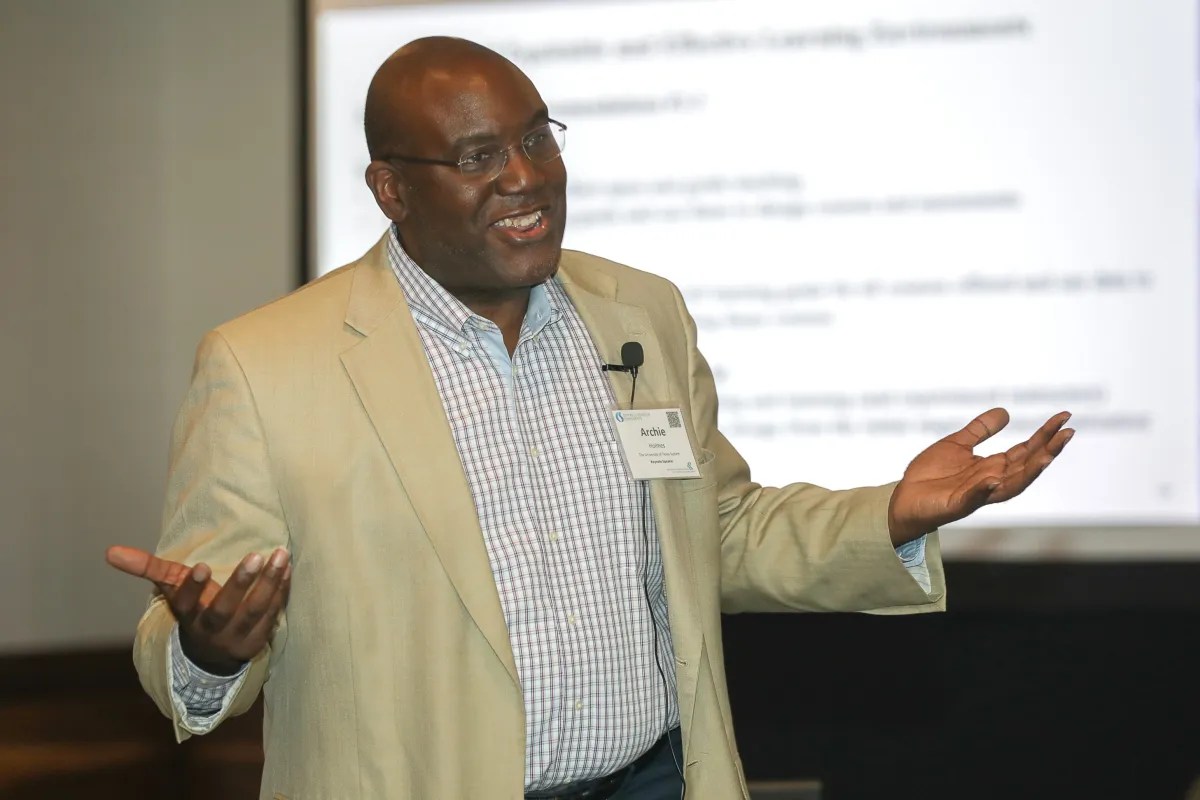
Archie Holmes, Executive Vice Chancellor for Academic Affairs at the University of Texas System, gave an interactive keynote session exploring the recent consensus study report from the National Academies, “Transforming Undergraduate STEM Education: Supporting Equitable and Effective Teaching,” along with resources from the National Academies’ Roundtable on Systemic Change in Undergraduate STEM Education.
Holmes noted the challenges of implementing these principles, such as the need for professional development and incentives for faculty. He urged Cottrell Scholars to continue to work together to improve education for all students by sharing their experiences and best practices, and by modeling active learning and mentoring.
Dennin, who participated in putting together the report, said he wanted to bring it to the group because the Cottrell Scholar community is already working toward many of its goals and is well-poised to implement its recommendations on fostering effective learning environments that empower all students to succeed.
The conference also included talks by winners of RCSA’s 2025 Holland Awards, three established scientists respected for their research programs and for their long commitment to breaking down barriers to STEM education.
Holland awardee Kevin Hewitt, Professor of Physics and Associate Dean at Dalhousie University, described his lab’s development of a Raman spectroscopy system for objective liver fat assessment that will enable more organs to be made available for transplant. He also highlighted the Imhotep Legacy Academy, which he founded in 2003 to attract and retain BIPOC students in physics, as well as a new initiative called Work Integrated Learning in physics for grade 10 students, which he believes is a “game changer” for increasing representation in STEM.
Angel Martí, Chemistry Chair at Rice University, described his work studying protein aggregation, particularly in diseases like Alzheimer’s and Parkinson, and on nanomaterials, including functionalizing boron nitride nanotubes and creating photoactive surfactants for photodynamic therapy. He also highlighted the Rise Emerging Scholar Program he created to support low-income, first-generation students. Focused on providing comprehensive support, including summer programs, targeted interventions, and research opportunities, the program has reduced student attrition and increased degree completion rates for underrepresented students
Enrico Ramirez-Ruiz, Astronomy Professor and the Vera Rubin Presidential Chair, University of California, Santa Cruz, is an astrophysicist who studies the origin and evolution of elements in the universe, particularly focusing on how massive stars and supernovae produce and distribute elements like oxygen. He said effective mentorship, needed to address the underrepresentation of women and minorities in astronomy, goes beyond academic support. To really work, he said intentional mentoring practices need to create holistic support systems that preserve students’ cultural identities. He highlighted the Lamat program he created to support community college students, especially from historically marginalized backgrounds.
The conference also featured talks by winners of this year’s STAR and IMPACT Awards, which encourage academic leadership excellence and the improvement of science education by Cottrell Scholars.
STAR Award winner and CS 2010 Richard Brutchey, Professor of Chemistry at the University of Southern California, described the summer research program he founded as part of his original Cottrell Scholar Award. Now in its 15th year, USC has hosted more than 60 transfer students from Cerritos College with eight-week paid research internships since its inception, with 100% of participants successfully transferring to a four-year college or university.
“Whether this experience ignites a lifelong passion for STEM or helps clarify that it’s not the right path, both outcomes are valuable,” Brutchey said. “Beyond chemistry, interns learn how to connect meaningfully, professionally, and respectfully with others.”
STAR Award winner and CS 2010 Jenny Ross, Syracuse University, described various community-building tools and tactics she has used previously as Department Chair and now as Associate Dean for Creativity, Scholarship, and Research and her department’s efforts to support diversity, including a summer high school paid internship program. She reflected on the importance of leadership in shaping department culture and values for maximum collective impact.
“Individual faculty are doing the work,” she said. “Faculty together can move mountains.”
IMPACT Awardee and CS 2002 Eric Hegg, Dean of Natural Sciences at Michigan State University, discussed his work in bioenergy research, highlighting his role in founding and leading the Great Lakes Bioenergy Research Center from 2007 to 2019 and his work on converting lignocellulosic biomass into biofuels. To faculty just starting out, he emphasized the importance of collaboration to solve big, intractable problems, as well as the need for passion and advocacy in explaining the importance of scientific research to the public and policymakers.
IMPACT Awardee and CS 1997 Michael Strauss, Chair of the Astrophysics Department at Princeton University, was recognized for his contributions to the massive sky surveys that are transforming the field of astronomy (including the Sloan Digital Sky Survey and the Vera C. Rubin Observatory). He highlighted the importance of large-scale surveys in astronomical research, the enormous potential for new discoveries, and the democratization of science through the release of data to the public.
The group also celebrated two new books by Cottrell Scholars. Harvard Press recently published The Color of North: The Molecular Language of Proteins and the Future of Life coauthored by CS 2019 Shahir S. Rizk, Indiana University South Bend, and will soon publish Labwork to Leadership: A Concise Guide to Thriving in the Science Job You Weren’t Trained For by CS 2015 Jen Heemstra, Washington University in St. Louis.
Rizk, whose extensive science communication efforts include a podcast and art installations as well as the book, encouraged his colleagues to embrace the challenge of making science more widely understood.
“If just 10 percent of us write books exploring our joy in science, it would remove so many barriers,” he said. “Tell your story. Cottrell Scholars can do crazy awesome things!”
Heemstra credited the Cottrell Scholar community’s discussions over many years about how to be a “kind, transparent, service-oriented leader” for helping shape her thinking, her career, and the writing of her book.
“The collective wisdom of Cottrell Scholars is in there,” she said.