
2026 Cottrell Scholars

Ilsa Cooke, Chemistry, University of British Columbia – Cosmic-Ray Bombardment of Icy Troilite: Clues to the Origins of Organosulfur in Asteroids
“Sulfur is one of the most abundant elements in the universe and has important biogeochemical consequences along with the other essential CNOPS elements that make up the core building blocks of life. However, the chemical evolution of sulfur during star and planet formation is not well understood due to the missing sulfur problem – where sulfur is often found to be heavily depleted in molecular clouds and protoplanetary disks relative to its expected cosmic abundance. The Cotrell Scholar Award will support our laboratory experiments to explore whether minerals in dust grains could be a hiding place for the missing sulfur in interstellar clouds. In parallel, the award will support the development of new educational, mentorship, and outreach programs in British Columbia. The award will enable us to expand our pilot astrochemistry outreach program to local high schools, develop a mentorship program for first-generation and low-income chemistry students, and implement a new graduate course on reproducible research.”
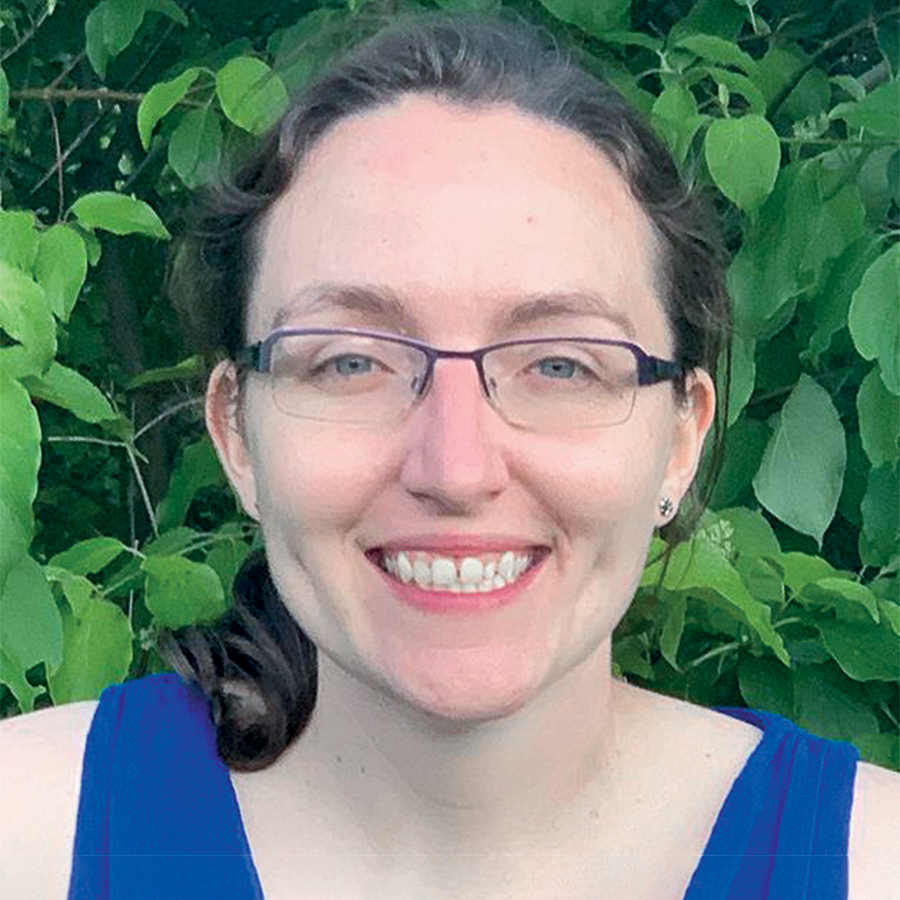
Meaghan Deegan, Chemistry, Santa Clara University – Synthesis of Metal-Stabilized Anti-Aromatic Heterocycles from Alkyne-Based Pincer Complexes
“The Cottrell Scholar Award will support a project in my lab that is focused on targeting oxirenes and related three-membered ring structures that have inherently poor stability both because of their geometric shapes and the arrangement of their electrons. Drawing inspiration from related systems, this project proposes that coordination of these structures to metal centers will relieve strain to stabilize these systems to allow us to directly study their properties and reactivity. For this work, my lab will design and synthesize organometallic complexes that will undergo reactivity to generate the targeted ring systems. Concurrently, this award will support the integration of course-based undergraduate research experiences in both an upper-division inorganic chemistry course and an introductory-level general chemistry course. These efforts will provide a pathway to involving students in research early in their time as undergraduates and ensure all chemistry majors in our department graduate with research experience.”

William Gilpin, Physics, University of Texas at Austin – Orbit Networks for Interpretable Decomposition of Biological Time Series
“Living systems — ranging from single cells to whole organisms – rely on complex internal dynamics that we often cannot directly observe. With this award, I will develop new machine learning tools for recovering hidden biological dynamics from limited, noisy measurements, without requiring detailed prior models. I will borrow tools from the physics of nonlinear and chaotic systems to represent complex datasets as transitions among a small set of recurring dynamical patterns in order to identify conserved biological motifs and critical changes in system behavior that are difficult to detect with existing methods. This research bridges classical ideas from nonlinear dynamics with modern generative machine learning. The open-source tools produced by this work will be applied to large biological datasets, such as whole-organism behavioral recordings or gene expression dynamics, to reveal universal dynamical structures. This work aims to explain why diverse biological systems exhibit low-dimensional, stereotyped behavior despite their apparent complexity. The educational component of this award will integrate algorithmic thinking into the undergraduate physics curriculum. Computational approaches are often taught as a late elective in physics undergraduate programs, preventing students from developing the intuition and experience needed to apply these methods to research. I will develop open-source, interactive materials that use modern research problems to teach core computational concepts early, through hands-on programming exercises paired with core topics from the physics curriculum.”

Cassandra Hall, Astronomy, University of Georgia – Small Worlds in Tight Spaces: Understanding the Formation and Assembly of the Most Common Exoplanets in the Universe
“The most common exoplanets in the Universe are close-in Super Earths: rocky planets a few times larger than Earth that orbit extremely close to their host stars. These tightly packed planetary systems are abundant, yet we still do not understand how they form, or why our own Solar System lacks them. In this project, I will use advanced computer simulations to study how planets assemble inside disks of gas and dust around young stars, and how newly formed planets migrate through their natal environments. This work will identify the physical processes that shape the architectures and of the most common planetary systems in the Universe. The educational component of this award focuses on strengthening science learning and engagement in the local public school system. I will develop immersive virtual-reality planetarium experiences based on my own research simulations, paired with inquiry-driven lesson plans aligned with Georgia science standards. These materials will be delivered directly into local classrooms using portable, low-cost technology, allowing students to explore astronomical concepts that are otherwise difficult to visualize. This program aims to deepen conceptual understanding of astronomy, strengthen spatial reasoning skills, and build long-term connections between the University of Georgia’s department of physics and astronomy and its surrounding school communities.”

Anna Ho, Astronomy, Cornell University – Fast Transients: Revealing the Diversity of Relativistic Stellar Explosions
“Each second, a star explodes somewhere in the universe, fertilizing it with the elements needed for life on Earth. With the Cottrell Scholar Award, my research group will use telescopes located all over the world and in space to study the deaths of stars and the physics of those phenomena and other energetic cosmic events. Ultimately, we want to put together a complete story of stellar life and death: how the properties of a star during its life determine the nature of the star’s final explosion and the type of object it leaves behind, a neutron star or a black hole. In addition, with this award I will redesign a core course in Cornell’s astronomy department called “Stars, Galaxies, and Cosmology” (ASTRO 2211) with the aim of improving retention in STEM – and particularly physical science – majors through effective and inclusive pedagogy, enhancing science literacy in a broad range of students, and improving students’ computational skills and motivation for continuing to improve those skills in the future.”
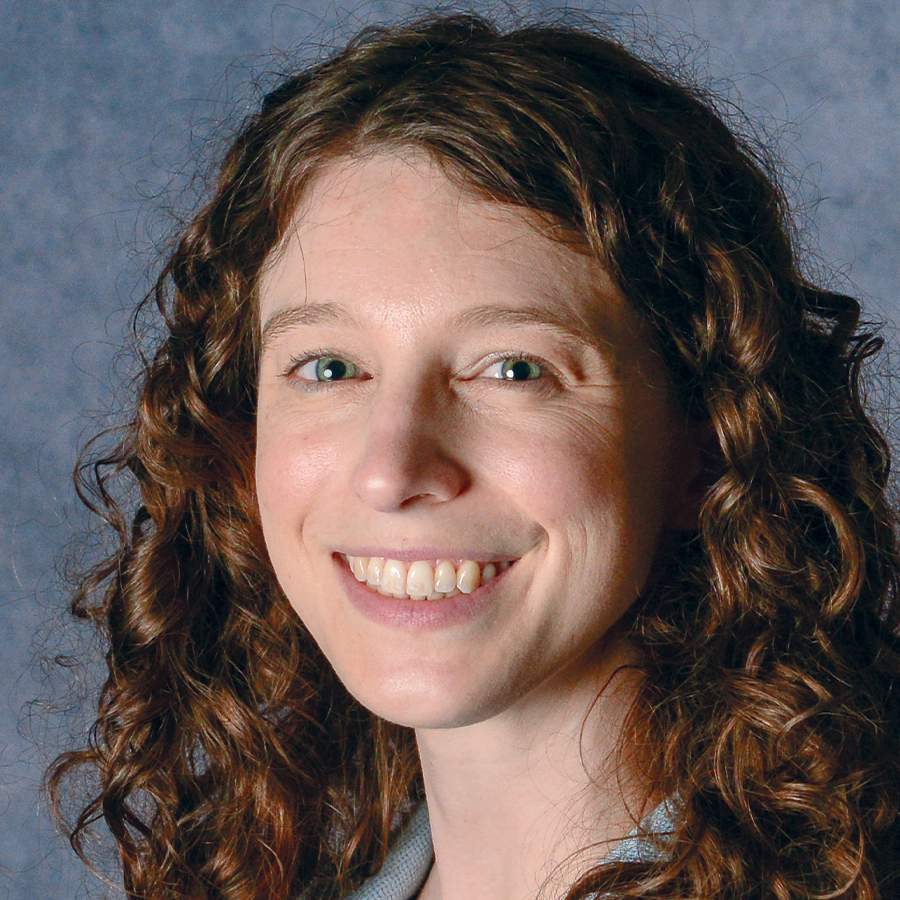
Megan Jackson, Chemistry, University of North Carolina at Chapel Hill – Controlling Chemical Reactivity at Gas-Liquid Interfaces
“Interfaces are powerful platforms for controlling chemical reactivity. Advances in interfacial chemistry at solid-liquid interfaces have enabled faster catalysis, more selective sensors, and greater control over organic and inorganic devices. Recent breakthroughs suggest that gas-liquid interfaces may be similarly powerful in controlling chemical reactivity, particularly in microdroplets due to their high surface-area-to-volume ratios. However, understanding of gas-liquid interfaces remains limited. To fill this knowledge gap, my group is using confocal fluorescence microscopy coupled to scanning electrochemical cell microscopy to determine how molecules localize, orient, and react at gas-liquid interfaces. This work will lay the foundation for precise control over chemical reactions in microdroplets with potential applications in microfluidics, organic synthesis, aerosol-based environmental remediation, and targeted pharmaceutical delivery. In parallel, support from the Cottrell Scholar Award will enable me to equip students with the tools to transform research seminars into active learning experiences. Active learning is the gold standard in chemistry education, and yet uninterrupted seminars remain the primary method by which scientists disseminate new results outside of peer-reviewed journal articles. By teaching students active learning strategies that they can use during seminars, I aim to increase student participation, retention, understanding, confidence in engaging with scientific data, and ownership over learning.”
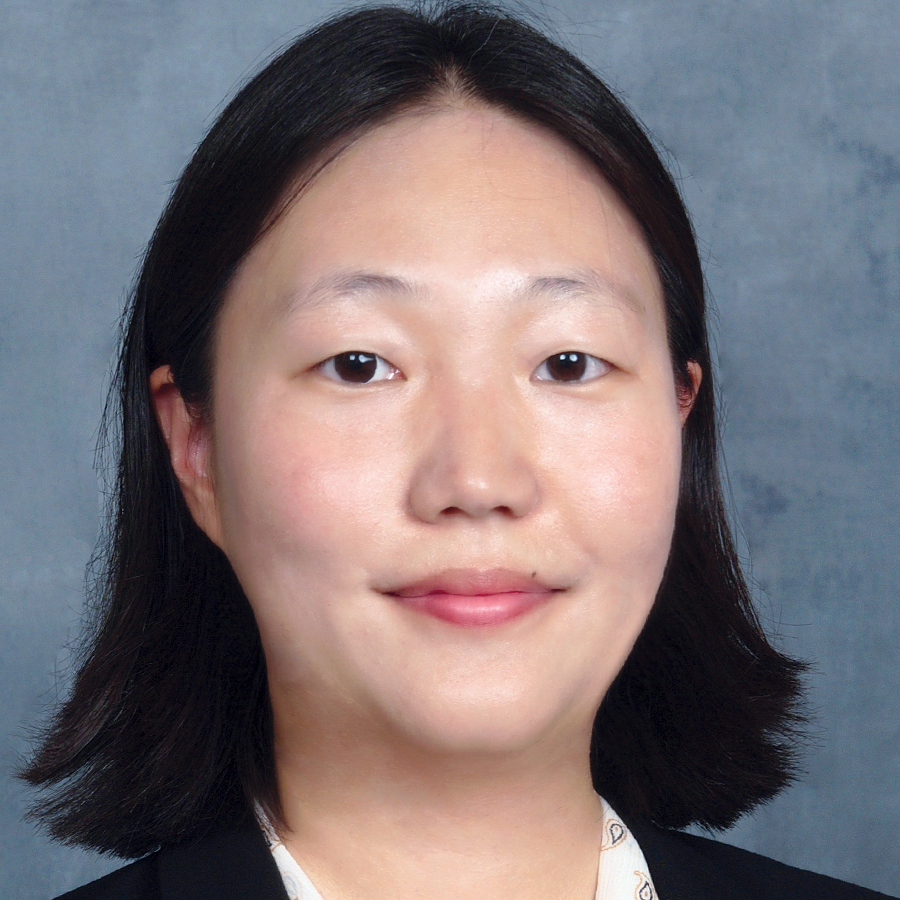
Na Hyun Jo, Physics, University of Michigan – Developing Uniaxial Stress Techniques for 2D Quantum Materials
“In the field of condensed matter physics, material systems composed of numerous atoms have been studied using simplified models based on periodic potentials and Coulomb interactions. These models effectively explain the intrinsic physical properties of many non-interacting or weakly interacting systems. However, this simplest model fails to capture the true nature of interactions. This presents a major question in basic physical research: “How to understand the collective behavior of interacting quantum objects that cannot be treated as non-interacting particles?” In my research team, we are using lattice control as a tool to tackle this question. With this award, we will expand our journey to two-dimensional materials. In parallel, I will bring active learning to upper-level physics courses, starting with electromagnetism. Many students find these classes difficult because of the advanced math and tricky concepts like electric and magnetic fields. By encouraging students to work on practice problems together and share ideas in groups, I hope to make these challenging topics easier to understand and help students feel more confident in their physics studies.”
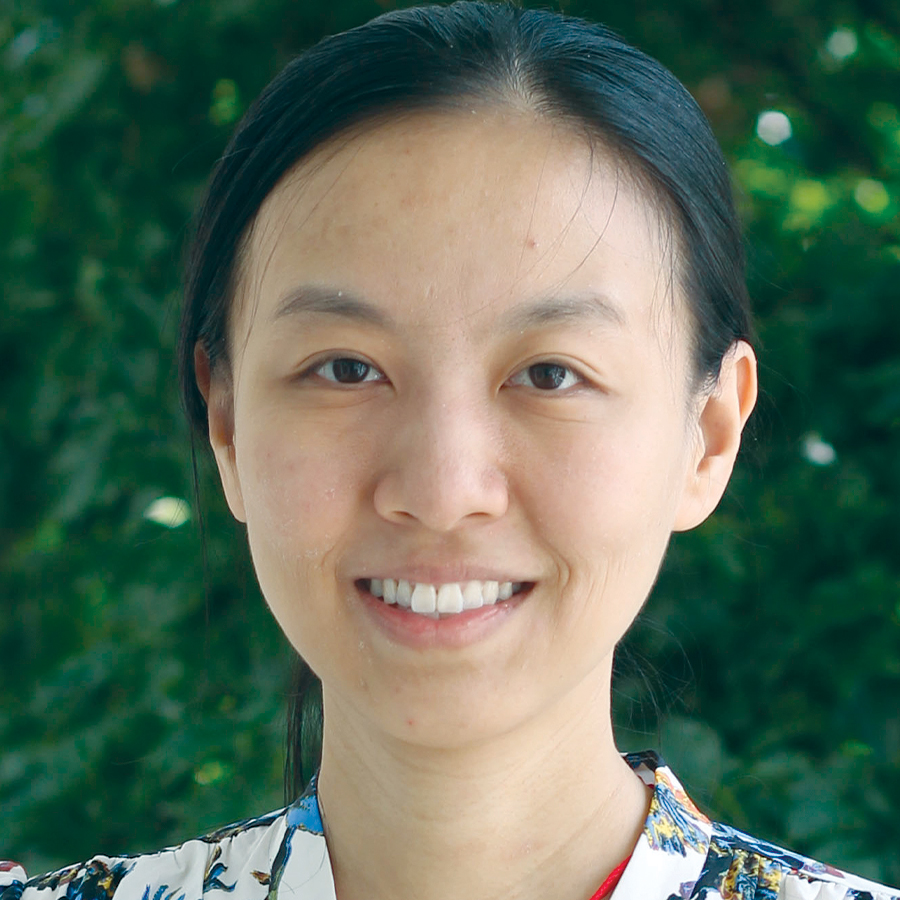
Jinghua Li, Physics, Ohio State University – Physics of Light–Matter Interactions in Ultrathin Semiconductors for Chemical Imaging
“I am a materials scientist pursuing interdisciplinary research. My interests focus on developing optoelectronic interfaces, imaging tools, and probes for living systems to address biological challenges and improve human health. To achieve this, we bridge semiconductors with optoelectronics and electrochemistry to form a dynamic interdisciplinary program. Imaging the distribution of biomarkers on the surface of and within soft tissues is of great importance for understanding bio-related heterogeneous processes. Currently, there are two predominant approaches: optical imaging provides high spatiotemporal resolution but requires genetic modification or the use of exogenous dyes; electrical methods are limited by the resolution and geometry of electrodes created by micro-fabrication. This study targets establishing a high-resolution imaging methodology using a flexible, ultrathin bioelectronic interface. By combining theoretical and experimental methods, this project aims to establish a field-effect system that measures variations in photocurrent for the quantification of chemical biomarkers in the presence of an adaptable and frequency modulated laser beam. The study will enhance the understanding of light-matter interaction in semiconductor materials for biosensing on unconventional surfaces. Closely aligned with the research efforts, we aim to cultivate students’ systems thinking skills, which allow them to consider the interactions between various components within an integrated entity. By integrating semiconductor materials, optoelectronics, chemical interfaces, and recording hardware, students can gain an understanding of how they interact to create the functional electronic devices that transduce light-matter interactions.”
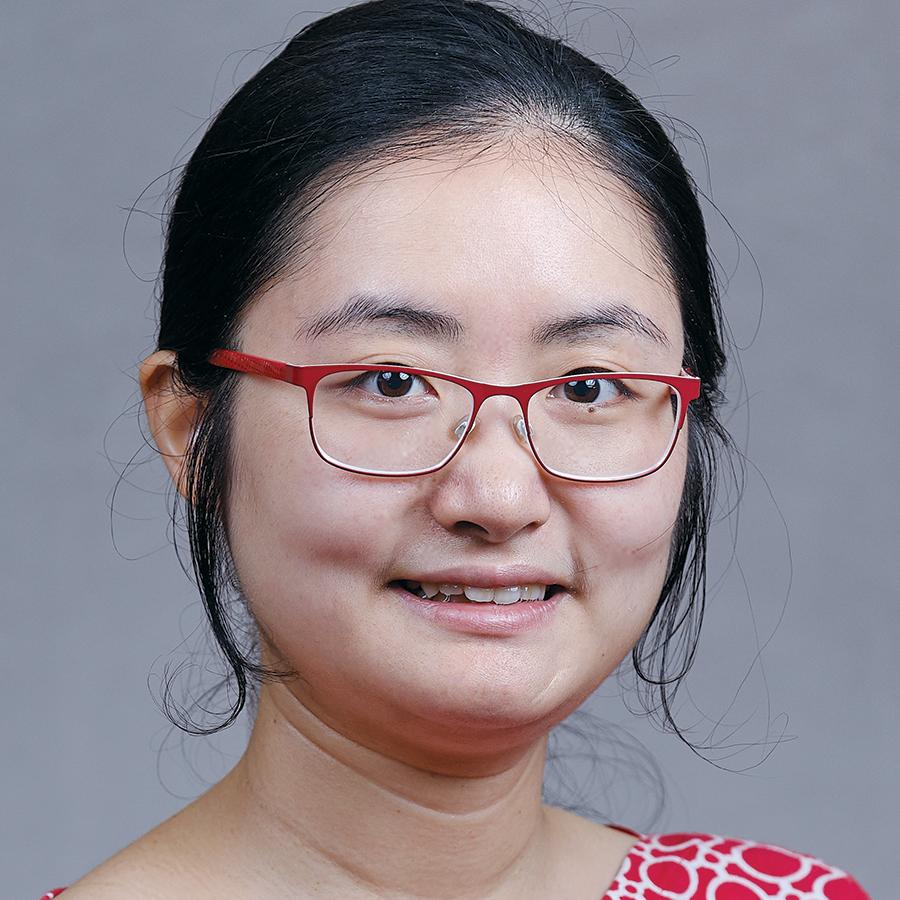
Zhou Lin, Chemistry, University of Massachusetts Amherst – Understanding Fischer–Tropsch-Type Catalysis in Space: Spectroscopic Analysis Empowered by Generative Artificial Intelligence
“Across the cold regions of interstellar space, microscopic dust grains coated with ice act as tiny chemical workbenches where simple, nonbiological molecules such as carbon monoxide and hydrogen gradually combine into more complex, prebiotic molecules that are believed to play a key role in the chemical origins of life, including hydrocarbons, amino acids, and nuclear bases. Because these remote molecules cannot be touched and sampled directly, astrochemists rely on spectroscopy, which measures how background starlight is absorbed by matter, to infer which molecules are present, where they reside, and how they assemble into larger products on dust grains. These spectral signals are often severely blurred, distorted, or mixed together after traveling across light-years of space, limiting our ability to extract reliable structural information. My research plan will apply modern generative artificial intelligence models to enhance and disentangle astronomical spectra, recover chemically meaningful signals at near laboratory quality, and trace them back to three-dimensional atomistic structures of reaction intermediates and end products, enabling a more complete and chemically grounded picture of molecular evolution in space. My educational plan will develop open-source, adaptable Python-based teaching modules that integrate mathematical reasoning, data analysis, and artificial intelligence into everyday chemical education through in-class workshops, scaffolded homework assignments, and course-based undergraduate research experiences. By embedding computational and quantitative thinking directly into authentic scientific contexts, we aim to help a diverse group of students reduce their math anxiety, build confidence in solving real-world quantitative problems, and prepare for data-rich, technology-driven careers in both STEM and non-STEM fields.”

Subhasish Mandal, Physics, West Virginia University – Tuning Quantum Matter: A Computational Framework for Vibrational Properties in Correlated Topological Heterostructures
“Quantum technologies, which promise breakthroughs in computing, communication, and sensing, depend on materials that can reliably host delicate quantum states. Today, one of the biggest obstacles is that these quantum states often collapse when exposed to environmental noise. Error-free quantum computers may one day overcome these challenges, but building them requires materials with unusual properties that are difficult to produce. My research aims to address this barrier by exploring a new class of quantum materials where strong interactions between electrons can actually protect and tune the quantum behavior. As part of this project, I will develop new computational platforms that enable scientists to predict how complex quantum materials give rise to desired quantum phases. Understanding the stability and functionality of these materials is essential for accessing these phases. By using one of the most advanced methods in quantum materials theory, this work will accelerate the design and discovery of new materials and heterostructures that can host exotic quasiparticles with promising applications in fault-tolerant quantum computing. An equally important part of the project is expanding access to education in quantum science, especially for students in rural and underserved communities. I will create a suite of engaging educational activities, including online learning, hands-on workshops, and research opportunities, to introduce high school and early undergraduate students to the exciting world of quantum materials and quantum technologies.”
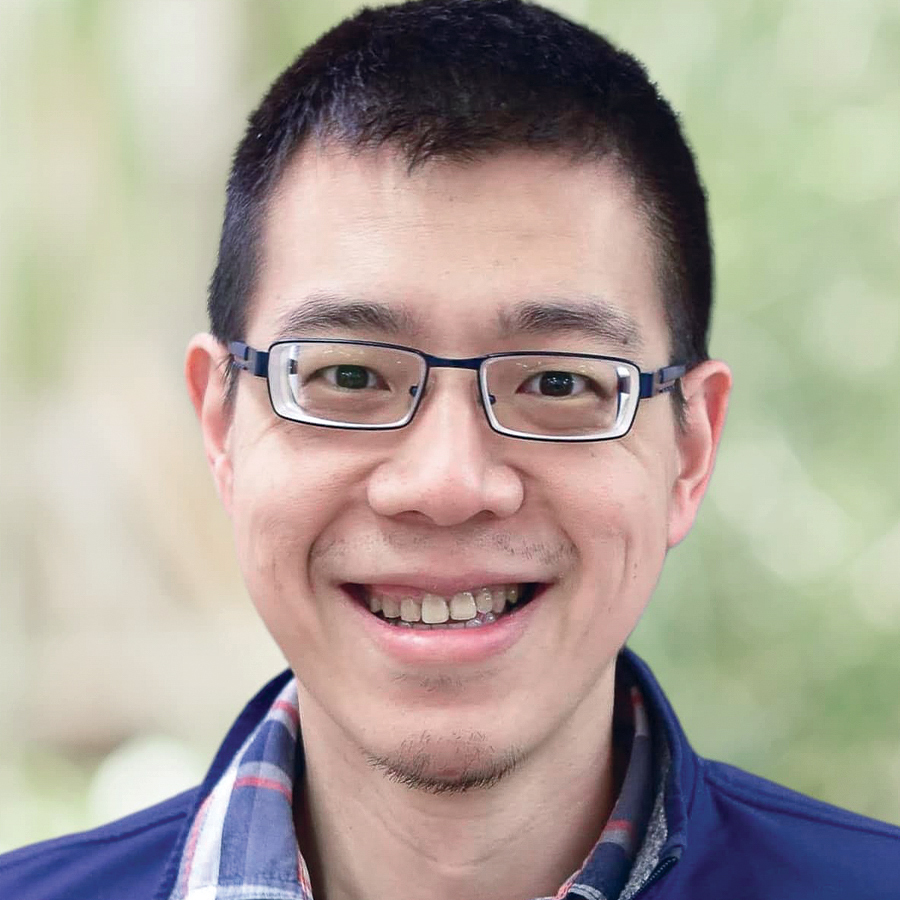
Yao-Yuan Mao, Astronomy, University of Utah – Small but Mighty: Mapping out Low-Mass Galaxies in the Nearby Universe
“The upcoming astronomical surveys, including the Rubin Observatory Legacy Survey of Space and Time, will provide an unprecedentedly large and deep view of the cosmos, allowing us to map out nearby low-mass galaxies that are elusive due to their low luminosity. My research program focuses on developing advanced algorithms to identify and distinguish these nearby small galaxies from more massive galaxies in the vast background. By conducting a census of these hidden neighbors, this work will enable us to understand galaxy formation at the smallest scales and probe the fundamental nature of dark matter. On the educational side, my work will address the new challenges AI tools have now brought to our classrooms, starting with those found in computing courses in physics and astronomy. This work aims to (re-)humanize the instruction of computing courses by emphasizing high-level skills that cannot easily be replaced by AI, promoting human-centered learning objectives, aligning evaluation methods with students’ intrinsic motivations, and connecting students’ learning with our human experiences.”

Arnold Mathijssen, Physics, University of Pennsylvania – Bacterial Active Matter in Self-Regulating Flow Networks
“Bacteria pose a growing threat to human health. The United Nations warns that by 2050, antimicrobial resistance could claim more lives than cancer. Reversing this trend requires a deeper understanding of how bacteria spread and invade the human body. Microbes often move in surprising ways. Instead of passively going with the flow, many bacteria can actively swim upstream. This ability to move against flows helps pathogens occupy environments such as the urinary tract or lungs and allows them to colonize medical devices like catheters. This project seeks to uncover the physical principles that allow bacteria to move against flows in complex networks of interconnected channels, similar to those found in our bodies, and to identify strategies for inhibiting these invasion pathways. By understanding how bacterial motion interacts with fluid environments, this work aims to reveal new opportunities for controlling infection and preventing disease. The educational component of this project will develop a new course titled Culinary Fluid Mechanics and Science Communication. This course will bring together undergraduates and high school students to explore fundamental concepts in physics, microbiology, and food safety. Using simple kitchen equipment and low-cost ingredients, students will conduct fun yet reproducible experiments, complemented by guest lectures from food scientists, local chefs, and baristas. Together, these activities will make science more approachable while training the next generation of effective science communicators.”
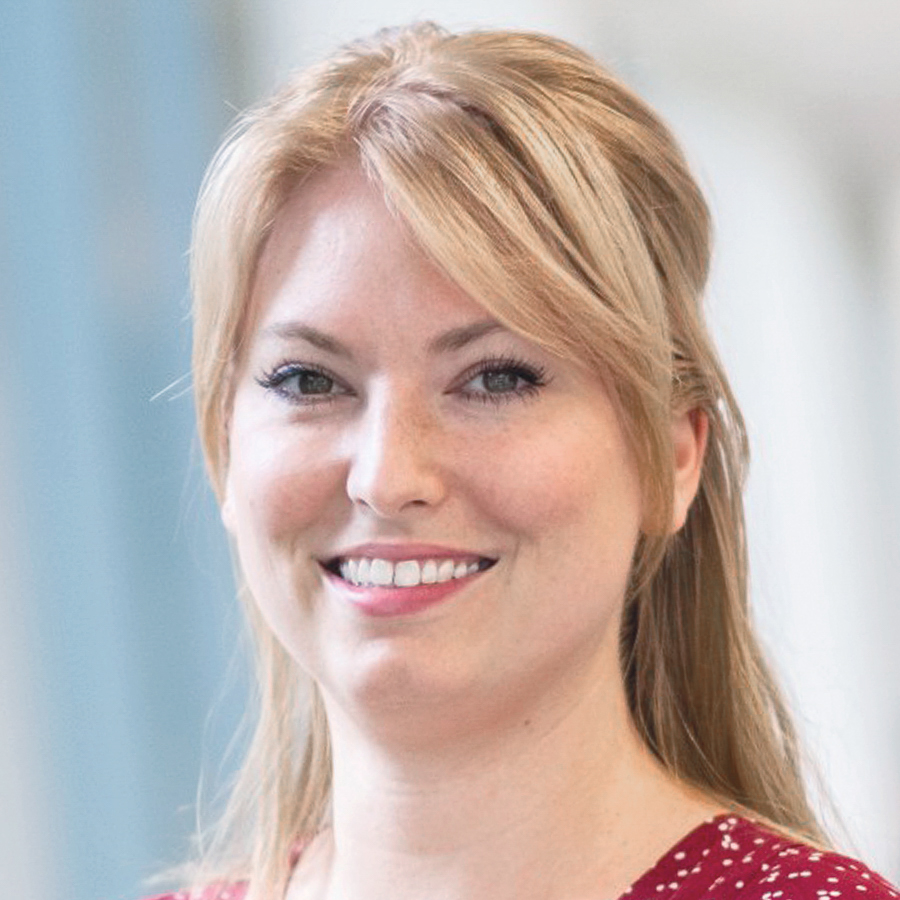
Asja Radja, Physics, Bryn Mawr College – Fluid, Form, and Fluency: Octocoral Fluid-Form Interactions and Improving Math Fluency in the Physics Classroom
“Coral reefs are among the most threatened ecosystems on Earth, yet one group of corals – soft, flexible corals called octocorals – has shown remarkable resilience to warming oceans. My research explores a new, physics-based explanation for this resilience: how the shape, flexibility, and branching structure of these corals allow them to manipulate surrounding water flow in ways that enhance feeding, even under stressful conditions. Using laboratory flow tanks, high-speed imaging, and particle tracking techniques, my lab studies how live coral branches and small feeding polyps passively generate vortices and recirculation zones that increase the time food particles spend near the coral surface. By connecting coral morphology to flow behavior, this work aims to uncover general physical principles that explain how flexible, network-like structures optimize transport and resource capture in moving fluids. This research seeks broadly applicable rules that link shape, motion, and function. These insights have relevance beyond marine biology, informing fields such as fluid dynamics, soft robotics, and the design of bio-inspired filtration systems. In the long term, understanding how coral structures interact with flow may also guide new, physics-driven approaches to reef restoration that emphasize form and function rather than species alone. An integral part of this award is its educational mission. I will involve undergraduate students directly in this research, training them in experimental physics, data analysis, and computational modeling through hands-on lab work. In parallel, I will develop an open-access math support website aligned with introductory physics courses, helping students build the quantitative foundations needed to fully engage in research and succeed in STEM.”
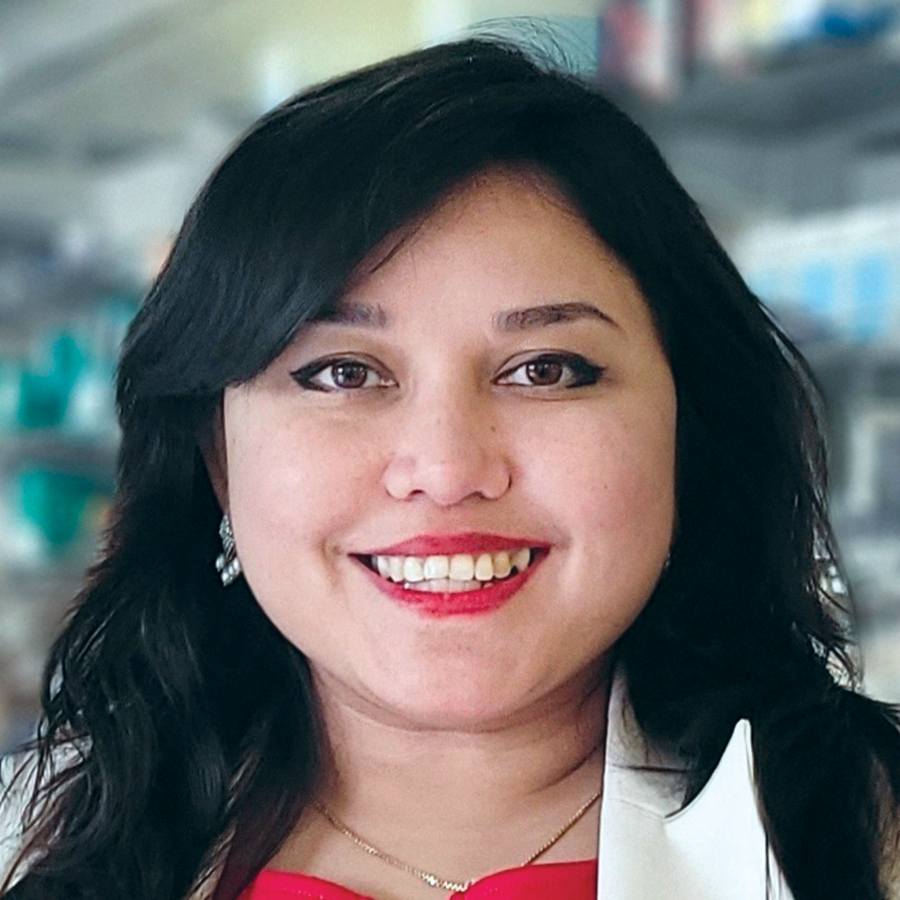
Devleena Samanta, Chemistry, University of Texas at Austin – Chemically Programmable Nanoscaffolds to Rewrite Biocatalysis and Adaptive Digital Resources to Deepen Quantitative Reasoning Skills in Analytical Chemistry
“Enzymes are powerful natural catalysts that drive many of the chemical processes we rely on in medicine, manufacturing, and everyday life. Many real-world applications require enzymes to be fixed onto solid surfaces. A well-known example is glucose oxidase, the enzyme used on test strips to measure blood sugar levels. Unfortunately, most enzymes lose much of their activity when immobilized this way. My group is developing nanostructured immobilization scaffolds that do more than simply hold enzymes in place – they actively improve enzyme function. In doing so, these materials have the potential to “rewrite” how enzymes perform their tasks. This approach could enable more efficient and sustainable enzyme-based technologies for manufacturing and other applications. My educational goal is to improve quantitative reasoning skills in undergraduates – the ability to use math in the context of real-world problems. Students can often plug values into equations and perform calculations, but many do not fully understand why those equations work or what the results mean. With support from the Cottrell Scholar Award, I will develop interactive, story-based problem sets and AI-powered tutoring tools. These resources will provide immediate feedback, helping students practice decision-making, interpret data, and learn from mistakes, while expanding access to personalized academic support beyond the classroom.”
Derek Schaeffer, Physics, University of California, Los Angeles – Discovering Fundamentals of Magnetic Reconnection in Mini-Magnetospheres Through AI-Accelerated Experiments
“In planetary magnetospheres like the Earth’s, a critical process driving the dynamics is magnetic reconnection, in which magnetic energy is explosively released when opposing magnetic field lines merge and annihilate. Despite its importance as a fundamental plasma physics process, reconnection is not well understood theoretically in realistic systems. Laboratory mini-magnetospheres provide a unique environment for studying reconnection, which can be coupled with novel machine learning techniques to help test fundamental theories of magnetic reconnection and investigate its impact on space weathering that can pose extreme hazards to human infrastructure. Science communication is critical to driving both the workforce pipeline and public support of physics, but despite its importance, communication skills are rarely taught to students at any level as part of the physics curriculum. To help address these shortcomings, we will develop a course on science communication aimed at both undergraduate and graduate students, with the goals of both teaching effective communication skills and employing those skills in real-world community engagement activities.”
Arnab Sengupta, Chemistry, Georgia College & State University – Structure-Function Relationship for Cap-Independent Cellular mRNA Translation Using Higher-Order Chemical Probing Strategies
“While DNA provides the static blueprints for life, the dynamic execution of those instructions depends on the chemical behavior of messenger RNA (mRNA) molecules. These complex polymers do not simply exist as linear chains; instead, they fold into sophisticated higher-order architectures held together by precise molecular interactions. My research investigates how specific segments of mRNA function as chemical switches, undergoing structural transitions that dictate when and how a cell synthesizes specific proteins. By modeling how these molecular geometries shift in response to the changing chemical environment of a stressed cell, we can identify unique structural pockets for small-molecule drug binding. This approach treats RNA not just as a messenger but as a direct chemical target for new classes of therapeutics designed to intercept disease at the molecular level.Preparing the next generation of researchers requires a deep, practical understanding of how chemical principles govern biological systems. To provide this training, I am transforming my undergraduate Chemical Biology course into a course-based research experience where students apply chemical probing and high-throughput sequencing to map RNA structures. To ensure every student develops a strong technical foundation, I will produce modular pre-lab videos that offer formative instruction on sensitive instrumentation and the logic of experimental design. This integration of authentic research into the curriculum allows students to see themselves as molecular engineers. By bridging the gap between the classroom and the laboratory, we are training future scientists to solve the most pressing challenges in human health through the lens of molecular discovery.”

Edgar Shaghoulian, Physics, University of California, Santa Cruz – Observers in Quantum Cosmology
“Our universe is in a rush. Its expansion is accelerating, and much of the rich tapestry that we currently see in the cosmos is being pushed so far that nothing – not even light – from those regions will be able to reach us. The same thing happens for stuff that falls into black holes. By incorporating quantum mechanics, which is a theory usually reserved for very small things like atoms, we have recently learned that there are extremely subtle ways to retrieve what falls into black holes. I plan to investigate whether we can similarly retrieve the information regarding the galaxies and superclusters being inexorably pushed away from us due to our universe’s expansion. The educational component I will pursue is a revitalization of the teaching of general relativity, aka Einstein’s theory of gravity, incorporating modern research topics into the subject and emphasizing a computational approach.”

Olja Simoska, Chemistry, University of South Carolina – From Pulsed Electrodeposition to Pedagogical Impact: Advancing Nanomaterials Science and Research-Based Learning in Electrochemistry
“Nanomaterials are materials composed of extremely small building blocks, often thousands of times smaller than the width of a human hair, and they are utilized in numerous modern technologies including clean energy systems and medical sensors. In many of these technologies, tiny metal particles are attached to surfaces, and even small differences in their size or spacing can strongly affect how well a device works. In this project, my lab will develop new, environmentally friendly ways to make these tiny metal particles with greater control by using short electrical pulses that switch on and off, allowing the particles to form more evenly and grow in a more controlled way. The brief pauses between pulses give the surrounding chemical environment time to recover, which helps prevent uneven growth. By studying how these electrical pulses affect particle formation, we aim to better understand how materials form on electrified surfaces and use that knowledge to improve future nanomaterials-based technologies. This research will also be directly integrated into a course-based undergraduate research experience that allows students, beginning as early as their first year, to participate in real scientific investigations as part of their coursework. Through collaborative, mentored teams that emphasize hands-on learning and inclusive teaching practices, students will build technical skills, confidence, and a strong sense of belonging in science.”

Daniel Tamayo, Astronomy, Harvey Mudd College – Understanding the Dynamics and Fates of Chaotic Planetary Systems
“Each planetary system we discover orbiting another star is the product of a sequence of violent rearrangements through interplanetary collisions and ejections, which presumably has reached a long-term stable configuration. Yet understanding whether a given orbital configuration of planets will lead to collisions or be long-term stable remains a major unsolved problem. Through this Cottrell Scholar Award, we will combine recent theoretical developments in the dynamics driving such instabilities with machine learning methods to develop an interpretable stability classifier, and we will apply these tools to better understand the planet formation process. We will additionally leverage the rapidly growing ecosystem of open-source astrophysics codes to develop numerical demonstrations and homework exercises for an upper-level introduction to astrophysics survey course. These educational materials will be publicly hosted and provide students worldwide with hands-on learning activities and a practical on-ramp into the numerical tools used in cutting-edge astronomical research.”
Jamie Tayar, Astronomy, University of Florida – The Importance of Interactions
“We know many stars are born with a companion, and that interactions with that companion star can have important impacts on stellar evolution and the populations of stars we see in other galaxies. We’ve long been able to identify the most extreme interaction products, but now with careful study of well-characterized red giant stars, using their oscillation frequencies, rotation, activity, chemistry, and internal structure, I’ll be working to identify a much larger population of stars that are post-interaction, not just the most dramatic examples. Long term, this should allow us to both better constrain the population of interaction products, as well as explore the physics of those interactions, and therefore better understand the evolution of the stars and galaxies around us. In addition, I’ll be working to formalize our Remote Experimental Team at the Rosemary Hill Observatory (RETRHO) group research experience. This program allows our undergraduate students, including freshmen and sophomores, to get involved with the department and start participating in research-related observations early, something that improves their experience in many ways but would not otherwise be possible for junior students in our very large major.”

Erin Teich, Physics, Wellesley College – Prediction and Control of Mechanical Response in Deformable Jammed Solids
“Computation constitutes a significant component of knowledge-building within contemporary physics. Through the educational and research components of my proposal, I aim to leverage computation to both open doors for my students and expand fundamental frontiers within soft matter physics. In the classroom, I will build computational on-ramps for students within our physics curriculum and more broadly throughout the sciences by expanding the scope and reach of a new interdisciplinary course we developed to introduce programming via scientific applications, and by applying pedagogical techniques from that course to augment a suite of computational labs I developed for one of our core physics courses. This increased exposure to computation will benefit students enormously in their academic life and future careers. My research lab, which consists entirely of undergraduate women, will use computation to develop a general framework for the prediction and control of mechanical response in deformable jammed solids. These systems, which form innumerable natural and engineered materials, respond mechanically to external loading in ways that are extremely difficult to predict. We will address this problem by building foundational expertise in how particle deformability influences the load-bearing internal force network of jammed solids, using this expertise to predict yield in these materials, and applying control theory to determine the external loading protocols necessary to induce desired structural reconfiguration. The outcome of this effort will be a novel and general framework for the prediction and design of mechanical response in a broad class of deformable, disordered systems.”
Sarah Wellons, Astronomy, Wesleyan University – An Ounce of Preventative Feedback, a Pound of CURE: Modeling the Physics of Supermassive Black Holes in Milky-Way-Mass Galaxies
“Supermassive black holes are known to lurk at the centers of most galaxies, and they can produce powerful relativistic jets and winds that are capable of affecting the galactic environment. Although we know that galaxies and their black holes evolve together, the exact nature of the physical relationship between the two remains poorly understood. The research work supported by this award will produce a set of numerical experiments exploring different models for how black holes interact with their galactic environments, focusing on galaxies like our own Milky Way where the black holes are first expected to start making a strong impact on galaxy growth, to better understand this relationship. My educational efforts will involve the development of a short course-based undergraduate research experience (or CURE) for first- and second-year astronomy students to expose them to the process of research at an early stage, and restructuring my existing programming-based courses to productively handle the rise of generative artificial intelligence as a tool (or crutch) for learning to code.”
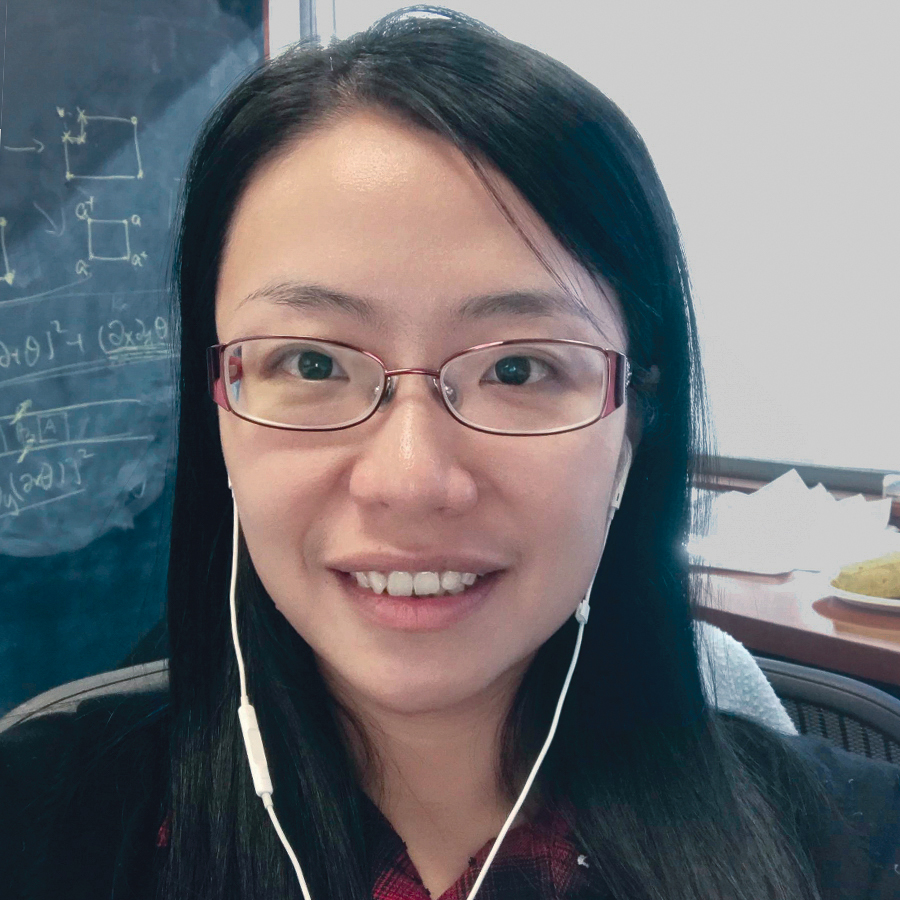
Yizhi You, Physics, Northeastern University – A Route Map to Open Quantum Systems and Mixed States: Insights from Duality
“My research examines how quantum systems behave when they are not perfectly isolated but instead interact with their environment through noise, measurement, and dissipation. By developing new theoretical tools that connect quantum circuits, measurements, and feedback via spacetime and holographic duality, this work will clarify when long-range quantum correlations and topological order can persist – or break down – under realistic decoherence. The results will help identify when noisy quantum systems can still store and process information reliably, guiding the design of more robust quantum simulators and fault-tolerant quantum technologies. The educational component integrates this research into physics courses through hands-on, project-based modules that connect core concepts to active research problems in quantum science. Leveraging Northeastern University’s global campus network and Co-op program, the program will broaden participation by giving students early access to experiential and research-driven learning.”
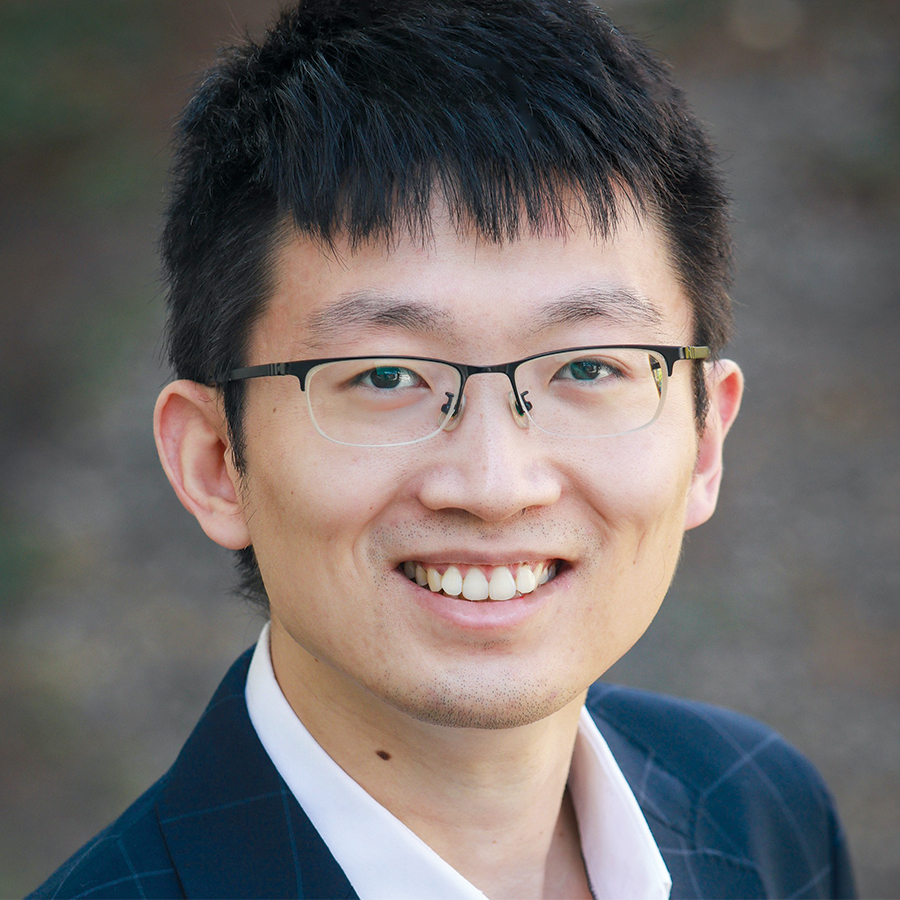
Tianyu Zhu, Chemistry, Yale University – Elucidating the Design Space of Photoactive Molecules Using Quantum-Chemistry-Informed Machine Learning
“Light-responsive molecules underpin many technologies essential to a sustainable future, from solar energy conversion and energy-efficient displays to catalysis and biological imaging. Yet designing these photoactive molecules remains a slow, trial-and-error process, because accurately predicting how molecules behave when they absorb or emit light requires computationally demanding quantum chemical calculations. My research will develop a new computational approach that combines accurate quantum chemistry with efficient machine-learning techniques to predict excited-state molecular behavior, enabling the rapid exploration of large collections of candidate molecules and uncovering new design principles for next-generation photoactive materials. The educational component of this award aims to lower barriers to computation and artificial intelligence in chemistry by integrating hands-on, open-source Python activities into physical and quantum chemistry courses, launching student-led seminar series that foster a cross-disciplinary community in computational science, and developing an open-source software platform that makes molecular simulations accessible to students with limited computational background.”